
Breastfeeding Positions
This week we worked with several new moms who felt discouraged because breastfeeding seemed awkward or uncomfortable. Honestly, that’s so common in the beginning!
One of the biggest game changers can simply be finding a position that works better for both you and baby.
The truth is: there’s no “perfect” breastfeeding position. Different babies, body types, deliveries, and breast shapes may all need different approaches. Our goal is always helping moms find what feels supportive and comfortable.
The Problem:
Many moms assume breastfeeding should feel natural immediately, but positioning challenges are one of the most common reasons feeds become frustrating, painful, or exhausting early on.
Poor positioning can contribute to:
• shallow latch
• nipple pain
• baby slipping off the breast
• neck/back pain
• feeling unsupported during feeds
What’s Actually Normal?
In the early newborn days, babies typically need:
• lots of head and neck support
• help maintaining proper alignment
• close body contact
• guidance getting deeply latched
And moms often need:
• Arm support
• Back support
• Reduced shoulder strain; positioning that protects sore abdominal muscles after delivery or C-section
It’s completely normal to experiment with multiple positions before finding your favorites!
Practical Tips and Common Positions
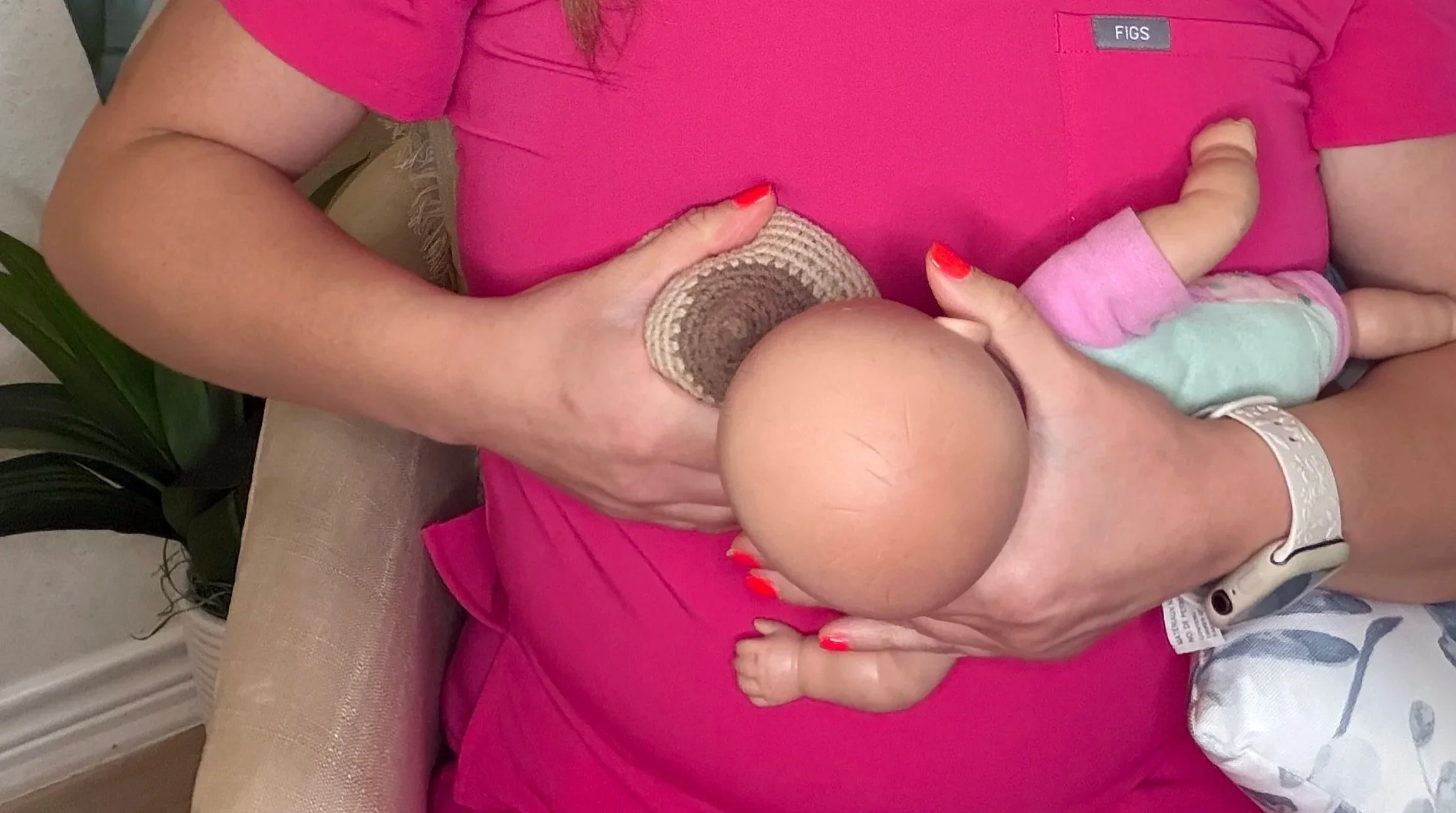
Cross-Cradle Hold
One of our favorite positions for newborns because it offers the most control.
Great for:
• newborns
• learning latch technique
• babies needing extra support
• moms working on deeper latch
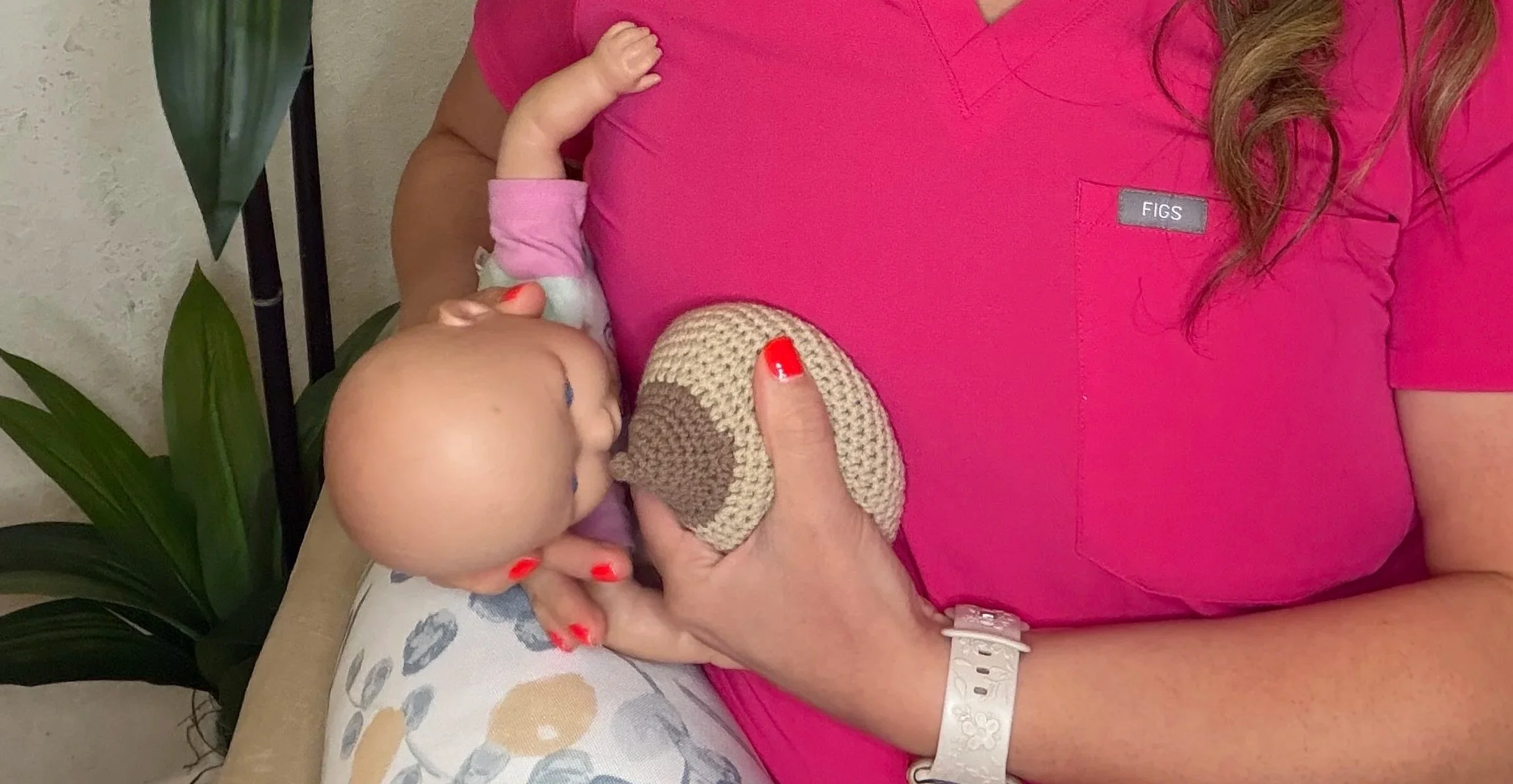
Football Hold
Baby is tucked along your side like a football.
Great for:
• C-section recovery
• larger breasts
• twins
• babies needing extra head control
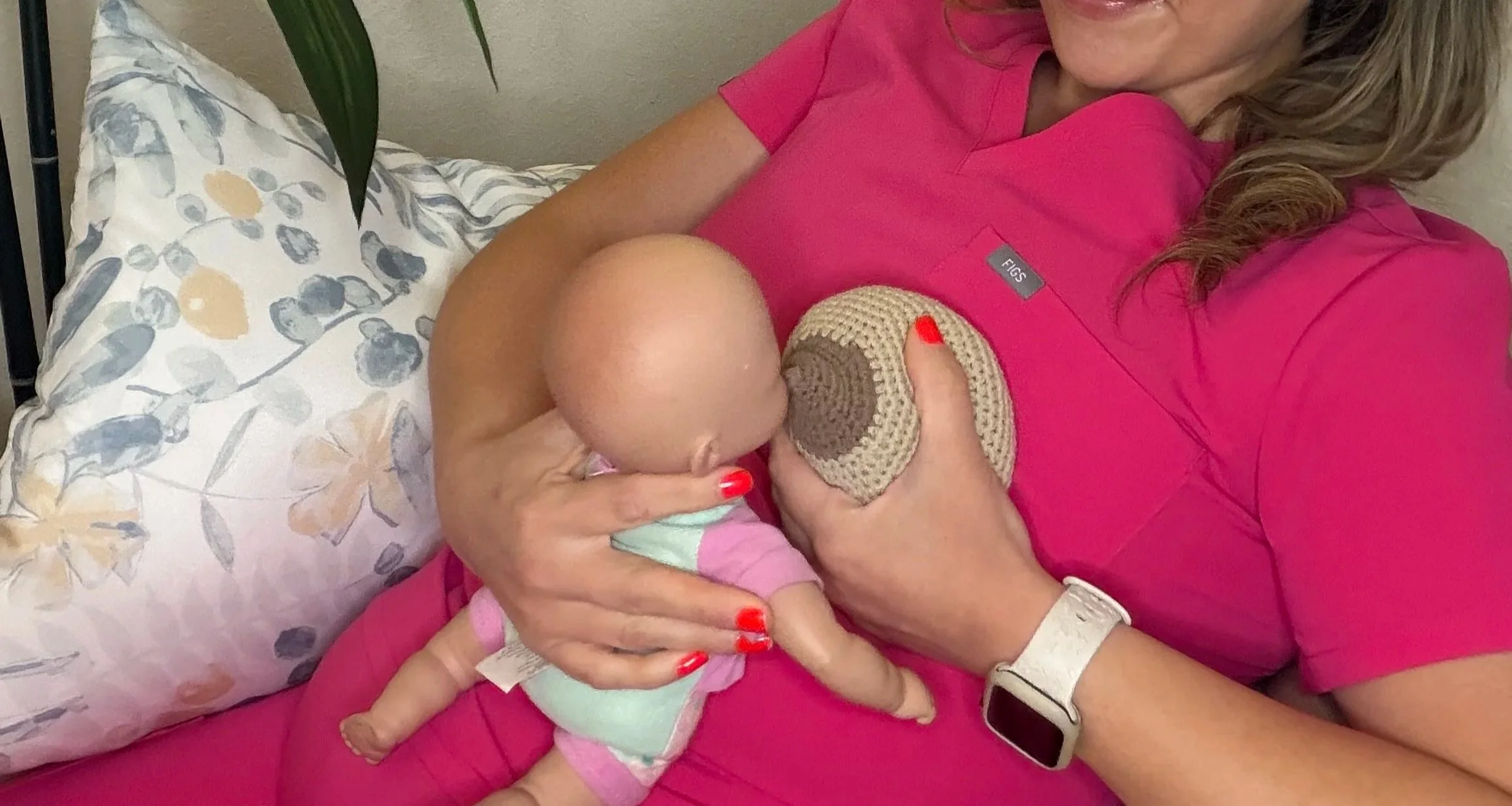
Laid-Back Nursing
Also called biological nurturing.
Great for:
• encouraging natural latch behaviors
• oversupply or forceful letdown
• skin-to-skin bonding
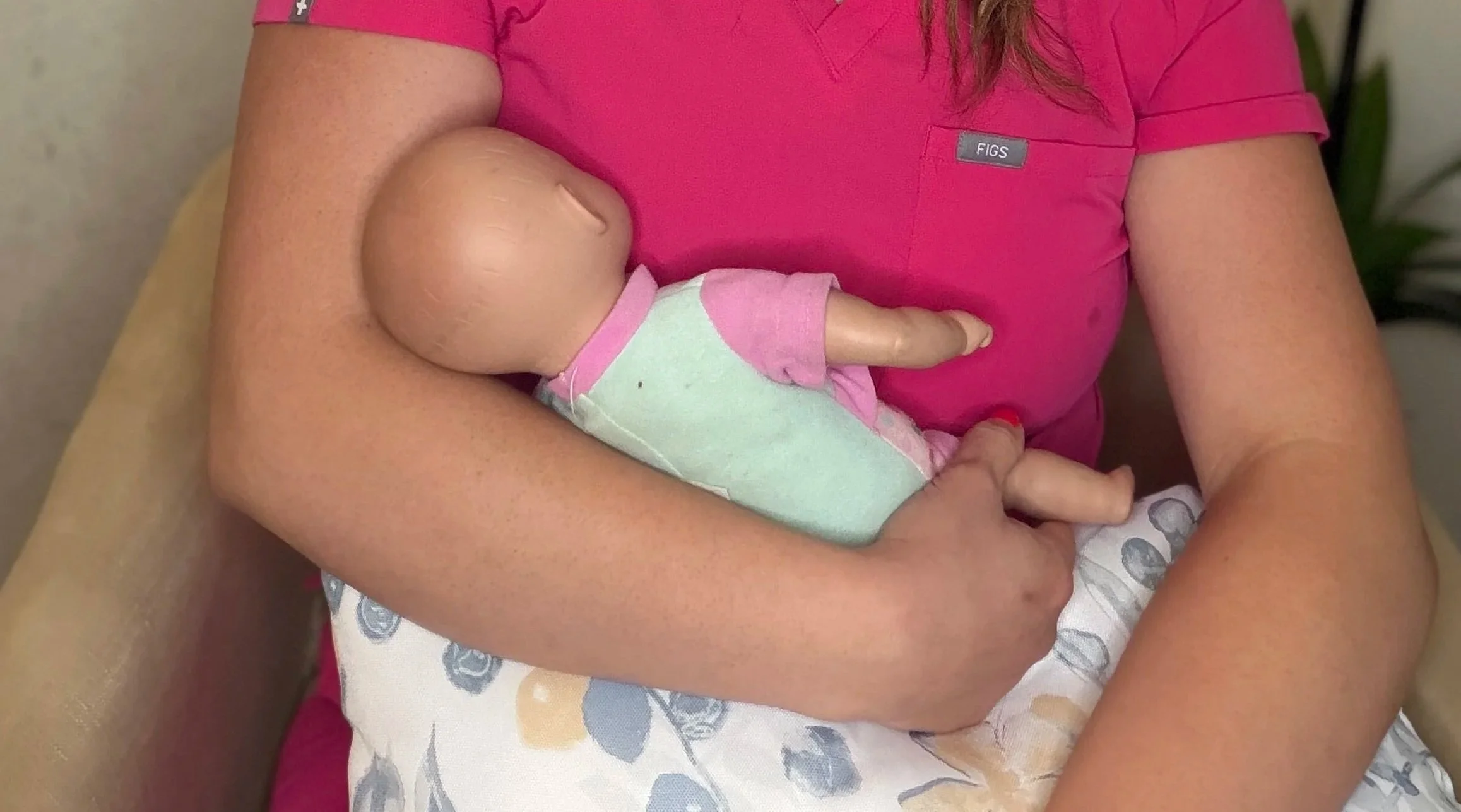
Cradle Hold
While this can work wonderfully later on, We typically don’t recommend it for brand-new newborns because it provides less neck and head support while learning to latch.
When to Seek Help
Reach out to an IBCLC or healthcare provider if:
• feeds remain painful
• baby is slipping off repeatedly
• nipples are cracked or damaged
• baby seems frustrated at feeds
• you’re unsure baby is transferring milk well
• breastfeeding is causing significant stress or anxiety
Quick Tips
✔ Nose-to-nipple positioning helps encourage a deeper latch
✔ Bring baby to you, not you to baby. Avoid hunching toward baby
✔ Pillows are tools, not “cheating”, get comfy!
✔ A comfortable mom often means a calmer, more successful feeding session
✔ Babies don’t need one “correct” position forever, it can evolve over time as baby gets older and more coordinated
Disclaimer
The information provided in this blog is for educational and informational purposes only and is not intended as medical advice, diagnosis, or treatment. Always consult your physician, pediatrician, or a qualified lactation consultant regarding any medical concerns or questions.
