
If you're feeling the urge to move your body again after having a baby, but not sure where to start, you're not alone. Whether you're ready for walks around the neighborhood, strength training, group fitness classes, or training for your next race, returning to exercise can feel both exciting and a little overwhelming at the same time.
The good news? In most cases, exercise and breastfeeding can coexist beautifully.
The Problem:
One of the most common concerns we hear is:
"Will exercise hurt my milk supply?"
For most breastfeeding parents, the answer is no.
Moderate exercise has not been shown to negatively impact milk production. In fact, movement can improve energy levels, support mental health, enhance cardiovascular fitness, and help you feel stronger and more confident in your postpartum body.
The key is making sure you're supporting your body with adequate calories, hydration, and recovery.
____________________________________________________________
What You Need to Know
✔️ Exercise does not make your milk "bad" or unsafe for baby.
✔️ Making breastmilk requires energy! Your body needs around 500 additional calories while breastfeeding, on top of your maintenance calories. Restricting food intake too aggressively can impact energy levels and, in some cases, milk production. The actual number of extra calories needed to maintain lactation can change based on volume of milk produced (full supply vs. partial supply), your baby’s age, and how often your baby nurses.
✔️ Hydration matters. Drink to thirst and consider electrolytes if you're sweating heavily. The general recommendation for water intake for most healthy adults is between 2-3 liters of water per day (always talk to your doctor about specific guidelines if you have any medical conditions.)
✔️ Start gradually and build up over time, especially if you're newly postpartum. You may notice that even if you stayed active during pregnancy, you may have to scale back after delivery. Remember: your body is still adjusting after birth, and your organs are gradually shifting back into place as your body heals.
✔️ A supportive sports bra can make movement more comfortable but avoid anything excessively tight that causes discomfort. Some moms find that high impact exercises such as running, jumping, or burpees may feel uncomfortable at first, particularly if your breasts are full.
✔️ If possible, feeding or pumping before exercise may help reduce breast discomfort during workouts. Be mindful of floor-based chest stretches that compress the breasts (such as burpees), or certain yoga poses that place body weight on the chest (such as cobra or prone back extensions) and make adjustments if needed or if discomfort is present.
____________________________________________________________
Nutrition Corner: Understanding Macros & Maintenance
You may hear terms like macros, maintenance calories, or TDEE (Total Daily Energy Expenditure) when learning about nutrition and exercise. Don't let the jargon intimidate you!
Macros = The 3 nutrients that fuel your body: protein, fats, and carbohydrates (also known as carbs). Your body needs all 3 to fuel your workouts, support muscle recovery, and maintain overall health.
Maintenance calories = the amount of energy your body needs to maintain its current weight
TDEE = your total daily energy needs, including everything from keeping your heart beating to chasing toddlers around the house. It is an estimate of how many calories your body burns in an average day. TDEE takes into account your age, height, weight, sex, activity level, and the energy your body uses for basic bodily functions like breathing, circulation and digestion. How do you figure out your TDEE and maintenance calories? Using a TDEE calculator is a good place to start
TDEE Calculator: Learn Your Total Daily Energy Expenditure
Breastfeeding and exercise both require energy, so making sure you're adequately fueled is an important part of feeling your best. For breastfeeding parents, calorie and nutrient needs are often higher than expected. The goal isn't perfection; it's fueling your body well enough to support both you and your baby. Keep in mind that TDEE calculators provide estimates, not exact numbers. Factors like how much milk you're producing, sleep deprivation, stress, recovery, and hormone changes can affect your actual calories needs. Use these tools as a starting point and adjust based on your hunger, energy levels, milk supply, and weight trends over time.
Many moms find it helpful to have a nutrition coach or personal trainer that specializes in pelvic floor to guide them through the initial transition of moving and fueling their body postpartum.
____________________________________________________________
Below, Doctor of Physical Therapy and Personal Trainer specializing in pelvic floor therapy Maddie shares 3 of her favorite postpartum exercises that can help build a strong foundation for returning to activity safely and confidently.
1. Cat-Cow with Breath
(breath connection; spinal mobility)
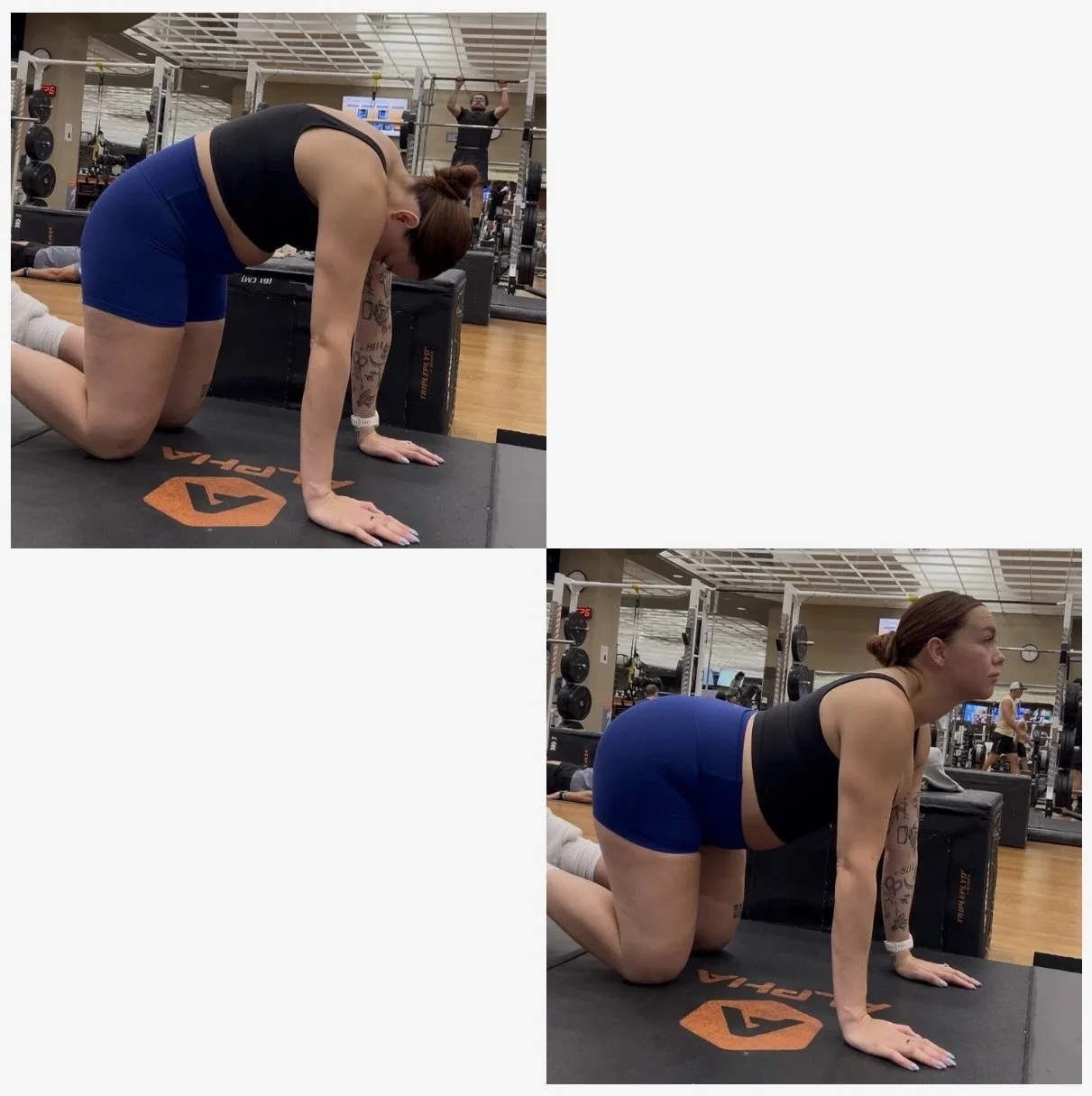
Cat-Cows are great for reconnecting your breath, core, and pelvic floor while also restoring spinal mobility. They’re especially helpful after a C-section, as they promote gentle movement around the abdominal wall and scar area.
2. Single-Leg RDLs
(unilateral strength and stability; hinge movement pattern)
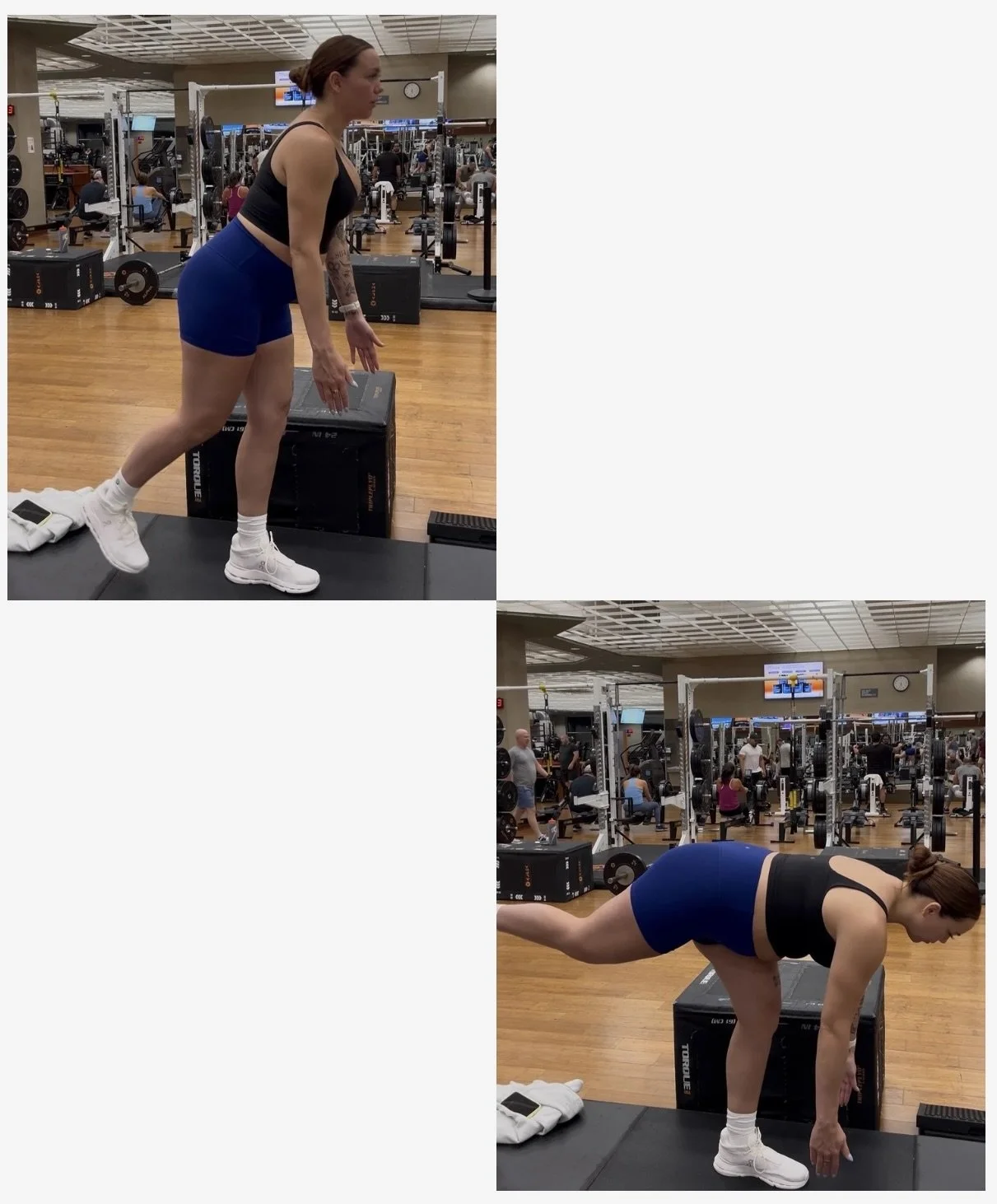
Single-Leg RDLs help rebuild pelvic stability and strengthen the glutes and hamstrings. You can modify with support or balance assistance as needed.
3. Box Squat - with or without weight
(strength; functional movement pattern)
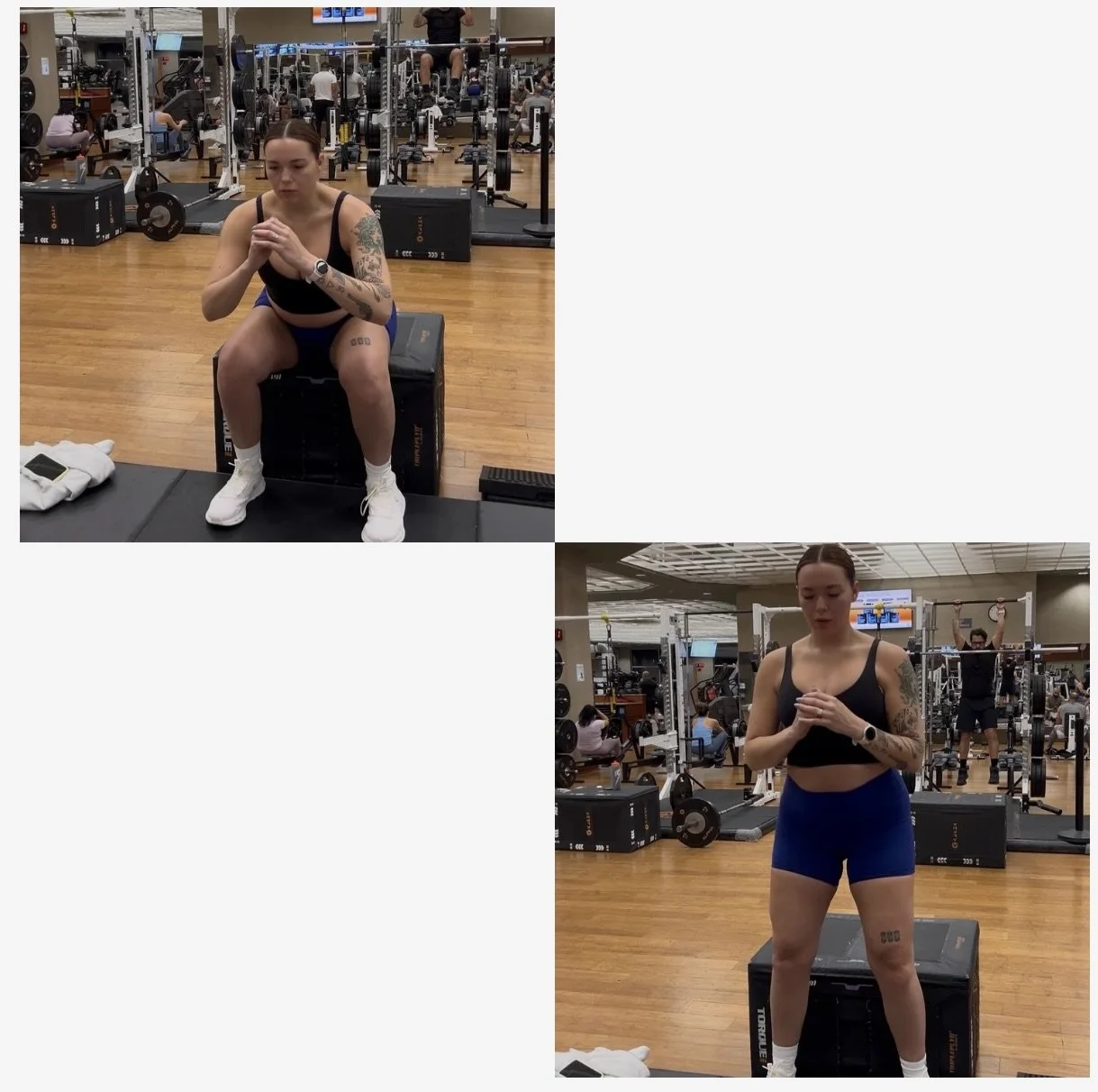
Box Squats provide a controlled, functional way to rebuild strength. The pause at the bottom allows for better control, while standing back up helps coordinate muscle engagement, including the pelvic floor.
____________________________________________________________
Quick Tips
✔ Feed or pump before high-impact workouts if breasts feel uncomfortable.
✔ Keep a water bottle nearby throughout the day, not just during exercise, and drink to thirst.
✔ Prioritize protein and balanced meals to support recovery and milk production.
✔ Start with consistency before intensity. A few light, short workouts each week can go a long way.
✔ Listen to your body and give yourself grace during this season.
____________________________________________________________
When to Seek Help
Reach out to your healthcare provider, pelvic floor physical therapist, or lactation consultant if:
You’re having increased bleeding or experiencing pelvic heaviness or pressure when exercising
You notice recurrent urine leakage during exercise
Exercise is causing breast pain or recurrent plugged duct.
You're concerned about changes in milk supply
You're unsure if your body is ready for higher-impact activities
Remember: postpartum recovery isn't a race! Listen to your body and go at your own pace.
Disclaimer
The information provided in this blog is for educational and informational purposes only and is not intended as medical advice, diagnosis, or treatment. Always consult your physician, pediatrician, or a qualified lactation consultant regarding any medical concerns or questions.
